

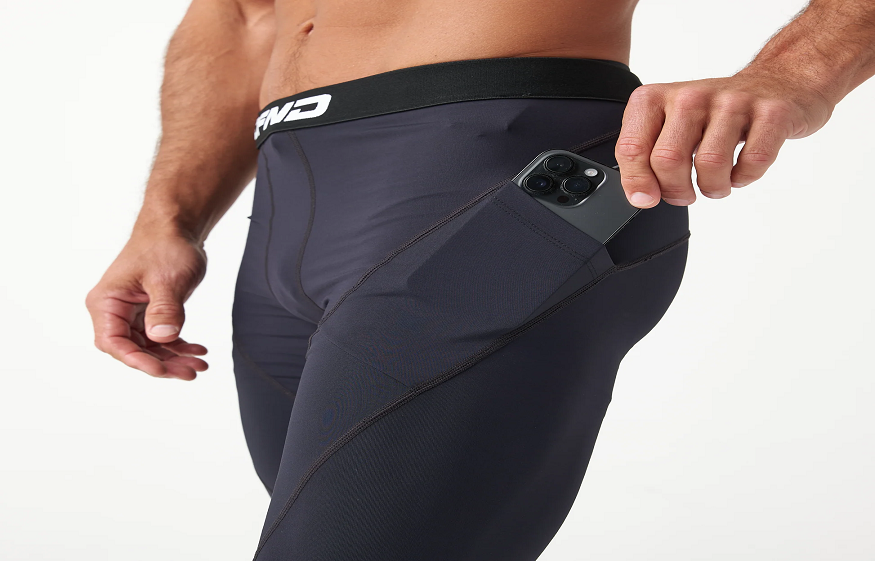
Originally, compression gear was developed for the medical world. But nowadays, it is used by athletes to improve performance and speed recovery. Gym goers also use compression training gear, and you often see training gear like black leggings, tops, sleeves and knee-length socks. Compression training gear for performance – DFND USA is one of the most effective garments that actually works on improving your performance.
We study the science of apparel to learn what compression gear is, how it functions, and how it might improve your training regimen.
What does compression gear entail?
Compression clothing improves blood flow and reduces unwanted muscular movements by applying pressure. It helps athletes heal more quickly, perform better, and lower their chance of injury.
Compression socks were first developed in a medical setting in the 1950s by a German engineer who had varicose veins. However, the benefits of compression in a sports setting were first examined in 1987.
What is the process of compression?
Researchers’ curiosity in compression sportswear’s potential benefits for blood flow led to its development. Your body’s capacity to effectively carry oxygen to the muscles through the blood impacts how well you perform in sports, particularly endurance sports like trail running and triathlon.
Read More: CASUAL OUTFIT MISTAKES THAT RUIN AN OTHERWISE GOOD LOOK
Compression clothing is supposed to improve muscle oxygenation by speeding up blood flow throughout the body through the application of graded pressure. Compression clothing with progressive compression helps return blood from your extremities to the heart more quickly so that it can be re-oxygenated, as opposed to just squeezing you all over. You will be able to perform better if your circulatory system can provide oxygenated blood to your muscles more quickly.
Lactic acid, a byproduct produced when the muscles don’t get enough oxygen, is what causes the burning sensation in your muscles as you start to feel tired. By increasing the amount of oxygen that reaches your muscles, a compression kit lets you exercise for longer periods of time and at a higher intensity before lactic acid builds up.
Additionally, the increased blood flow helps in your body’s faster elimination of lactate once that burning sensation starts. This enhances endurance when exercising. The same idea can speed up your muscles’ recovery after a workout.
Compression sportswear supports your body to function as effectively as possible both during and after exercise by exerting the proper amount of pressure where it is needed.
What benefits can compression wear offer endurance athletes?
Compression is said to improve your recovery in between workouts as well as help you get more out of your training. Considering that the secret to success in endurance sports is consistency, let’s examine how wearing compression sportswear can improve your training and speed up your recovery.
Read More: Sullen Clothing Match Your Style With Perfect Long-Sleeved Tee
Enhancing performance
Compression can help prevent fatigue during exercise, allowing you to go more quickly. Along with this delayed onset of fatigue, muscle support can also help you keep proper form.
Compression clothing can help you train more effectively and perform better when it matters by boosting your body’s function as efficiently as possible.
Increasing recovery
By allowing you to endure the volume, mileage, and intensity needed to make improvements, compression apparel can help you recover faster in between workouts.
Compression gear won’t change your exercise routine overnight, though. Giving you a bit more support will help you maximize your sessions and recovery rapidly. Every little bit assists endurance athletes, especially amateurs who are frequently pressed for time. Therefore, it would be worthwhile to add some compression gear to your athletic wardrobe!
According to our research, compression lessens the accumulation of lactic acid right after extended workout sessions. This reduces delayed onset muscle soreness (DOMS) and enables a quicker return to normal levels.