

Trends do not flip because a board of executives decrees a new seasonal moodboard. Real movement happens through quiet cultural rebellion—when people flat-out reject stiff, uncomfortable uniforms and demand pure utility from what hangs in their closets. The migration of team apparel from plastic stadium seats to concrete city streets is no accident. It is a hostile takeover of everyday casualwear, driven by a deep craving for comfort, authentic subculture, and absolute longevity.
The migration of team apparel from plastic stadium seats to concrete city streets isn’t an accident; it is a hostile takeover of everyday casualwear driven by a desire for comfort, authentic subculture, and absolute longevity.
1. Quiet Allegiance: Wear Identity, Don’t Shout It
Sports garments are a silent dialect shared among those who recognize the same references, music scenes, and regional histories. However, well-curated team apparels help signal allegiance to a specific lifestyle.
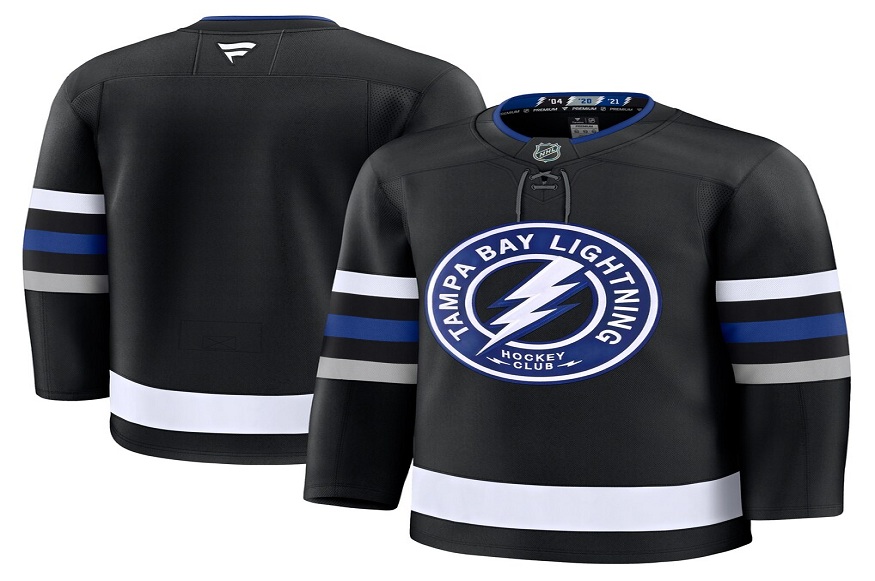
For example, wearing vintage-inspired gear, like classic Tampa Bay Lightning Fan Gear with deep typography and quality fabric and hems, is more than supporting the team on game day, it’s about expressing personal identity while respecting raw hometown pride and subcultural memory.When your sportswear is tied to real history, the look speaks for itself without ever having to try too hard.
2. Rejecting the Uniform: Subculture Over Corporate Merchandise
Tossing on a team jacket or a retro cap isn’t always about allegiance to a roster. The modern streetscape is filled with people wearing sports gear for entirely different, unscripted motives.
Read More; Compression Gear Improves Performance
Some wear it as an anchor to generational roots, binding personal identity to a specific zip code or era. Others hijack the aesthetic purely for the sun-faded dye runs, heavy cotton weights, and boxy 90s cuts that modern fast-fashion brands refuse to manufacture.
Look closely, and these pieces dominate environments that have nothing to do with scoreboards:
- Low-key espresso bars and weekend flea markets
- Airport terminals and long-distance road trips
- Creative, non-traditional workplaces
- Underground venues and neighborhood gatherings
The common thread isn’t sports mania—it’s an uncompromising demand for clothes that survive real life instead of sitting trapped in a closet waiting for three hours of Sunday play.
3. Stop Dressing Like a Walking Billboard
Having a logo on every angle at once turns a good look into a walking commercial. Let one jersey piece take rule the day, keep the rest of the outfit low-key, instead of over-styled.
Real style relies on tension and contrast. The most lethal outfits balance athletic gear with sharp, grounded basics:
- A faded, heavy-gauge varsity jacket thrown over a plain, heavyweight white tee.
- A single washed team cap serving as the lone accent in a clean, monochromatic outfit.
- A vintage hockey jersey grounded by dark, selvedge denim, heavy leather boots, or low-profile sneakers.
Treat team apparel like a weaponized accent, not the whole uniform. Let one piece carry the historical weight while the rest of the outfit maintains structural discipline.
4. The Elements Demand Utility, Not Hype
Shopping happens because an item looks sharp on a rack; survival happens because the garment actually handles brutal weather.
Read More: CASUAL OUTFIT MISTAKES THAT RUIN AN
Pretty clothing that dissolves in a rainstorm or fails under wind exposure belongs in the trash. The permanent migration of team gear into daily streetwear succeeded because athletic apparel was built to take a beating:
- Summer Resilience: Lightweight cottons, breathable mesh knits, and unstructured dad hats provide sun defense without trapping heat.
- Winter Armor: Jerseys from structural fabrics hold their shape: They don’t collapse against the body, but maintain their own structure, creating a clean, structured outline (a “sharp silhouette”) rather than looking clingy or bulky.
Before acquiring any piece, force it through a ruthless filter: Will this survive three distinct seasons? Can it layer under heavy canvas or leather? Does it retain its character long after the game ends? If a garment can’t handle changing weather, it’s just cheap clutter.
In essence, team gear took over the streets for one raw reason: real life demands grit, comfort, and character, not cheap fast-fashion gimmicks. Strip away the corporate noise and slap a weathered jersey against clean, heavy basics. Suddenly, stadium gear ceases to be a tacky game-day costume—it becomes a sharp, authentic layer of living identity. Ditch the disposable seasonal hypes. Curate durable, high-utility armor built to weather the real world and outlast every trend.